Why is Bassa Youths embracing a Proposed Youth
Why is Bassa Youths embracing a Proposed Youth-based Political Party ?

BUCHANAN, Liberia — In a country where political loyalty often follows long-established party lines, a quiet shift is unfolding among young voters in Grand Bassa County. A youth-driven political movement—still in its formative stage—is drawing growing interest from students, young professionals, and traditional youth leaders, challenging the dominance of Liberia’s established parties.
Grand Bassa has long been considered a bellwether of Liberian politics. The Liberty Party historically enjoyed deep roots here, while the ruling Congress for Democratic Change (CDC) has made notable inroads in recent years. In Buchanan, the county’s capital, a CDC candidate won the most recent House of Representatives election, reinforcing the party’s expanding footprint.
Yet beneath these familiar political currents, a new force is emerging.
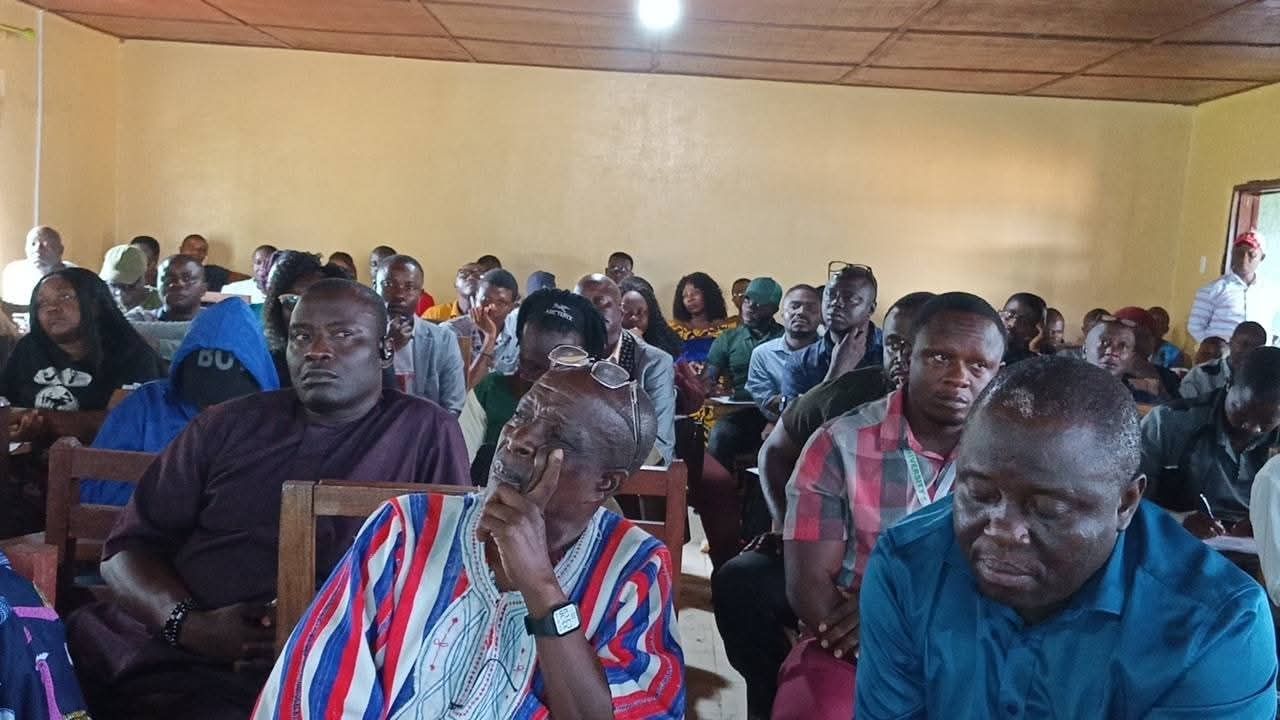
Over the weekend, a group of young political organizers carried out an intensive grassroots campaign across Grand Bassa, holding house-to-house meetings, engaging students in intellectual forums, and hosting public discussions aimed at
introducing a proposed youth-based political party. The effort was deliberately low- profile but highly targeted, focusing on mobilization rather than spectacle.
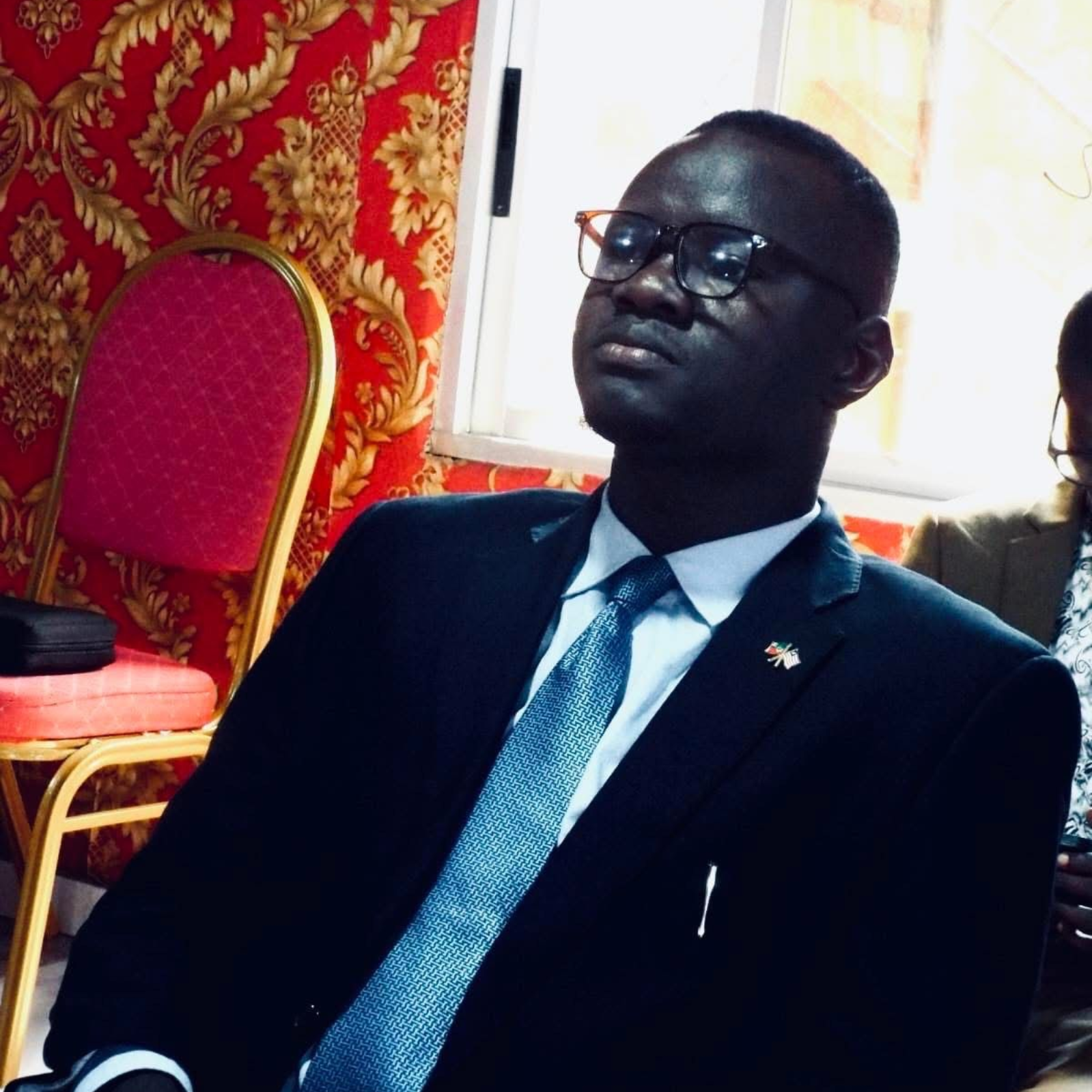
John Saylay Singbae II, one of the movement’s lead advocates, has become a sharp critic of what he describes as the political “co-optation” of Liberia’s youth. “Young people are constantly told they are the leaders of tomorrow,” Mr. Singbae told a gathering in Buchanan. “But you cannot actively enable politicians to destroy your future and still claim that you are a future leader. What future are we talking about?”
This message appears to be resonating.
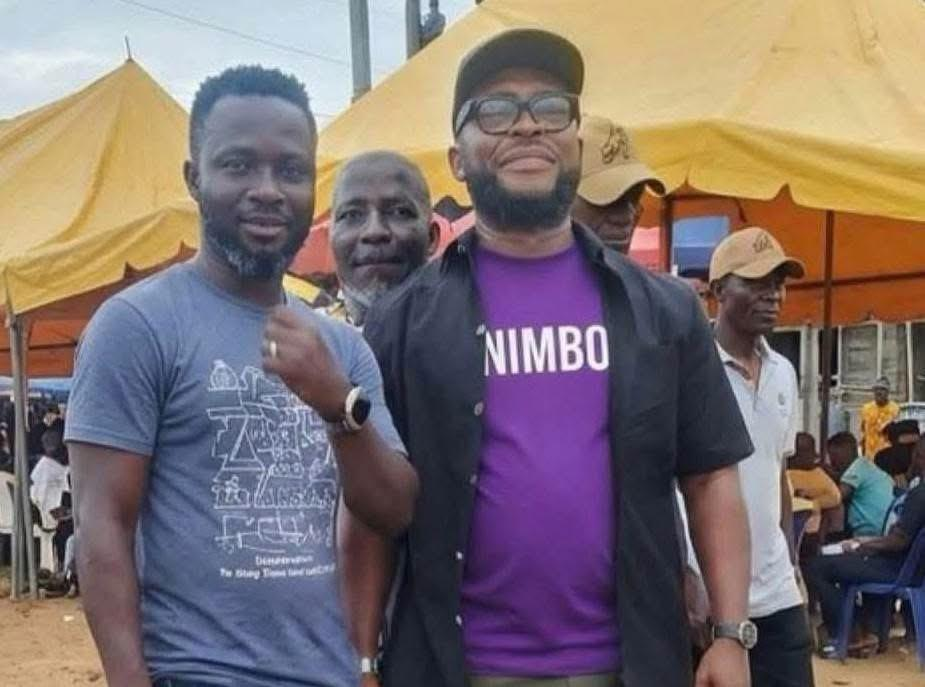
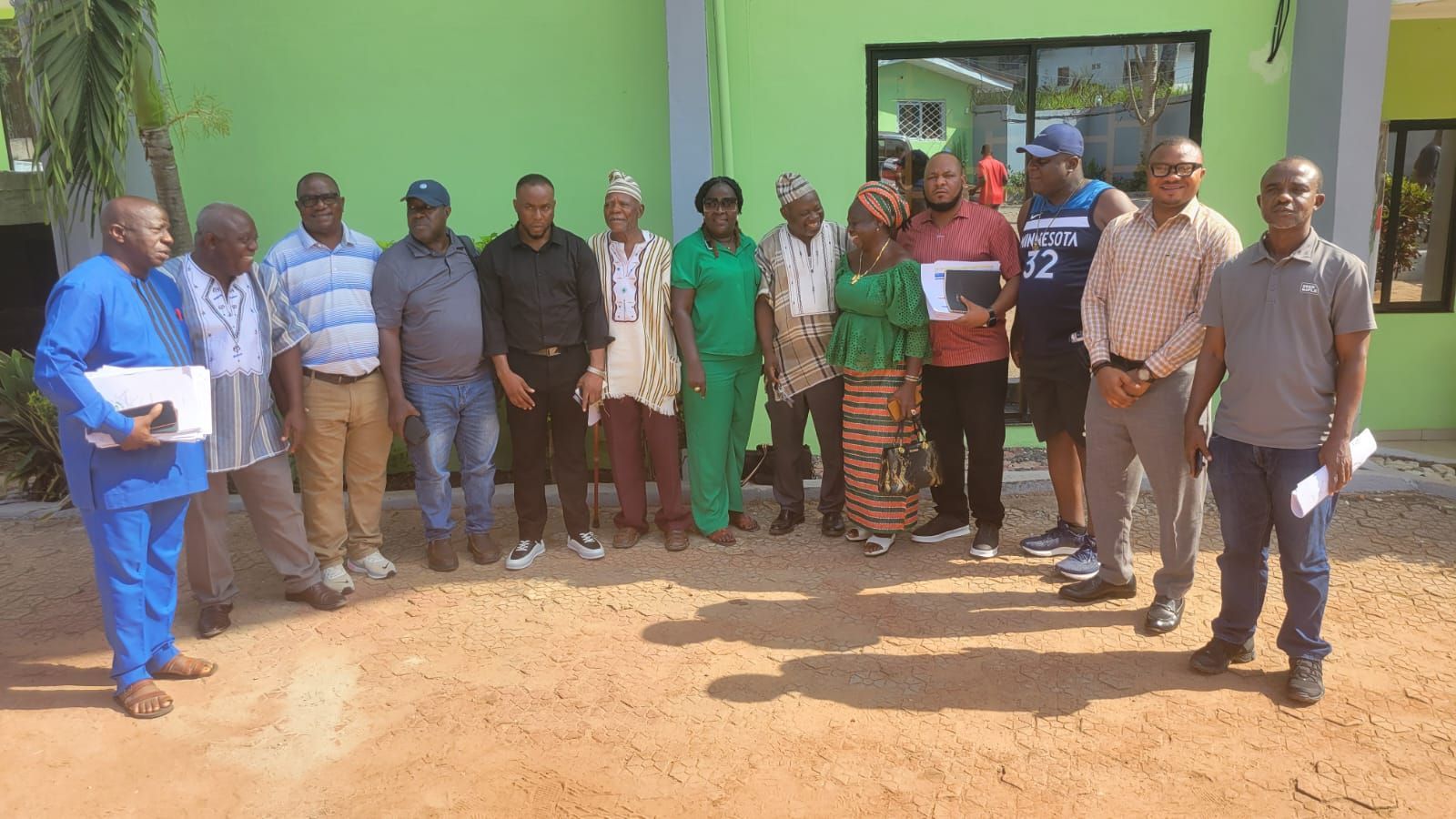
Accompanied by Daniel Harris Jackson, a former young representative candidate in Grand Bassa; Aloysius “Jackieboy” Diggs, a well-known Bassa soccer figure; and student leader Aaron Kerkula, and a decent support from young Liberian in the diaspora, Mr. Singbae’s team met with youth groups across the county, including young traditional leaders often overlooked in national politics. While attendance figures were modest and events received little media attention, participants say the discussions struck a chord. Several young attendees volunteered to organize locally, signaling what organizers describe as a growing appetite for youth-led political alternatives.
The appeal reflects broader frustrations among Liberia’s young population, which makes up a majority of the country’s citizens but remains underrepresented in decision-making. High unemployment, limited access to quality education, and persistent patronage politics have fueled skepticism toward mainstream parties.
“This is less about personalities and more about ownership,” said one student participant. “Young people want a platform that speaks directly to their realities.”
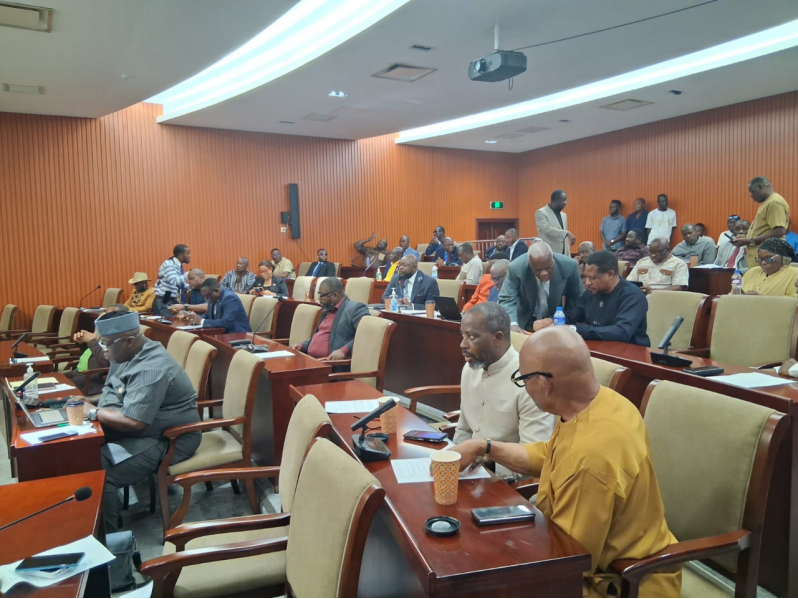
Grand Bassa is not the only county seeing such momentum. Similar mobilization efforts were reported recently in Margibi County, where youth groups have also expressed support for the proposed party. Organizers suggest additional counties may follow.
Whether the movement can translate grassroots enthusiasm into a formal political structure, and eventually electoral success, remains to be seen . Liberia’s political landscape has historically favored established parties with access to resources and networks. Still, analysts say the rise of youth-centered organizing signals a potential recalibration of political engagement in the country.
“For years, young people have been mobilized as foot soldiers,” said a political observer in Monrovia. “What’s different here is the emphasis on agency and leadership, not just participation.”
As Liberia looks toward future elections, Grand Bassa’s youth may be offering an early glimpse of a generational shift, one that could reshape how political power is contested in the country.